

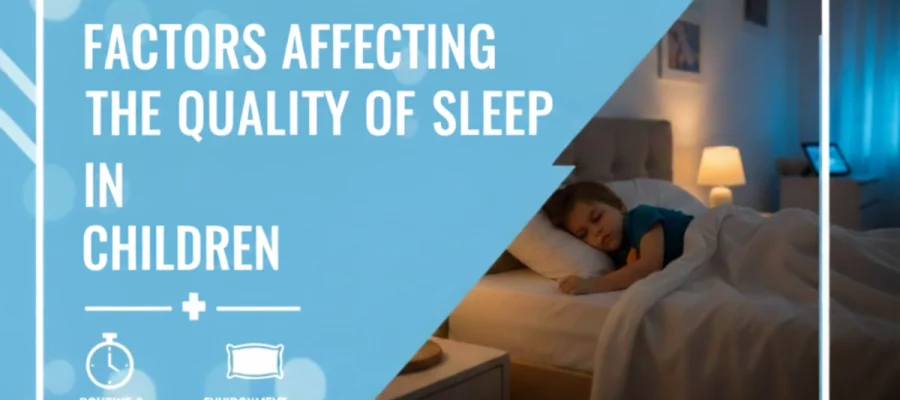
Sleep isn’t just a time for rest for children, it’s a period of intense growth and development. From infancy through adolescence, the brain and body undergo tremendous changes, and high-quality sleep plays a key role in supporting those milestones. While many parents are aware of how many hours of sleep children need, fewer realise that the quality of that sleep is just as vital. A child may spend the right number of hours in bed, but if their sleep is light, fragmented, or disrupted, they may still wake up tired, irritable, or unfocused.
So, what exactly defines good sleep quality in kids? It’s not just about falling asleep quickly it’s about staying asleep through the night, cycling properly through deep and REM sleep stages, and waking up refreshed. When kids’ sleep quality is poor, it can affect everything from attention span and emotional regulation to physical health and academic performance. Over time, chronic sleep issues can lead to behavioural challenges, weakened immunity, and even developmental delays.
Understanding what affects children’s sleep quality is the first step in helping your child get the restful, restorative sleep they need. From screen habits and bedtime routines to emotional stress and environmental factors, there are many potential influences. In this article, we’ll explore the most common and overlooked factors impacting kids’ sleep, so you can identify obstacles and create healthier bedtime habits that set your child up for success night after night.
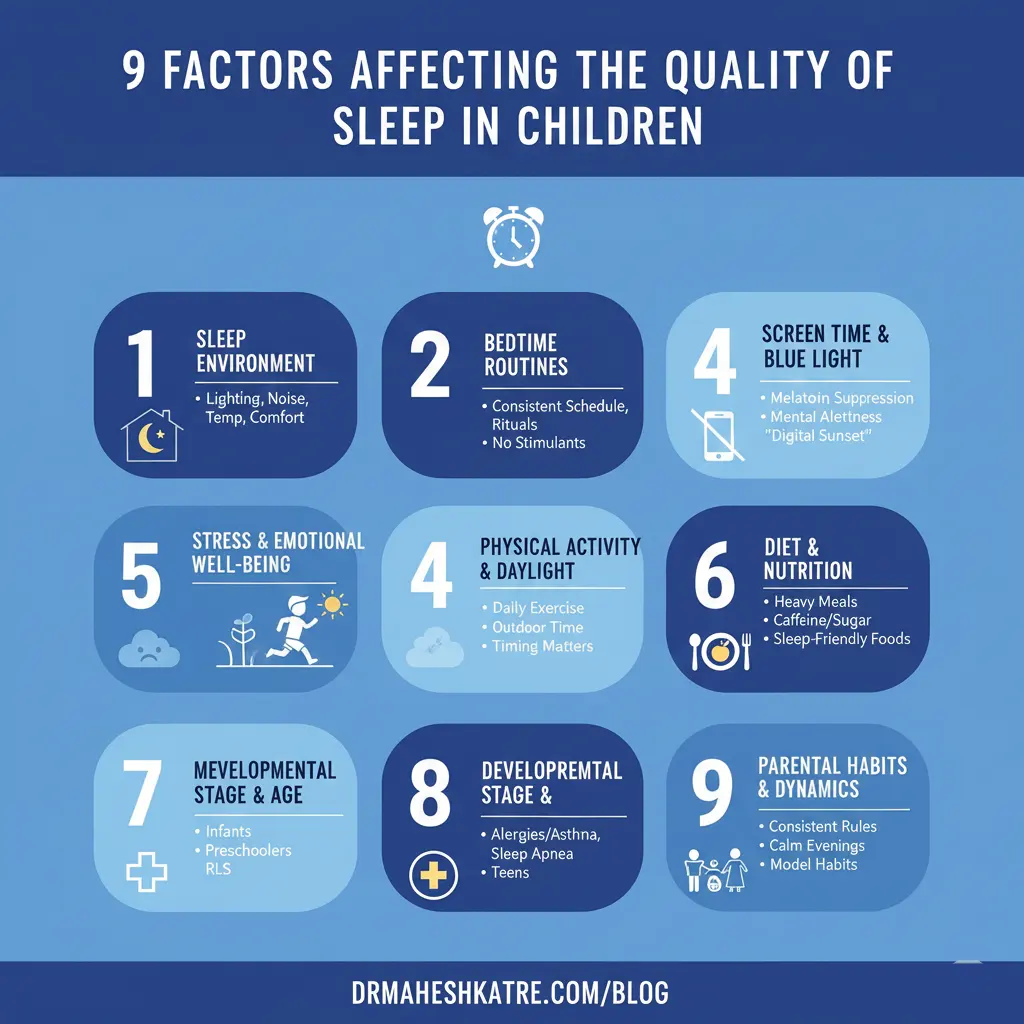
1. Sleep Environment
A calm, sleep-friendly environment is crucial for restful sleep.
Children are especially sensitive to their surroundings. A room that’s too bright, noisy, or warm can interrupt their natural sleep cycle. Here’s what to consider:
- Lighting: Exposure to bright lights, especially from screens, can suppress melatonin production. Even small nightlights can interfere with deep sleep phases.
- Noise: Background noise, such as traffic, conversations, or TV sounds, can wake light sleepers or prevent them from falling into deep sleep.
- Temperature: A room that is too hot or too cold may disrupt sleep. The ideal sleep temperature for kids is typically between 18–22°C (64–72°F).
- Comfort: An uncomfortable mattress or scratchy bedding can cause frequent tossing and turning, reducing sleep quality.
Tip: Use blackout curtains, a white noise machine, and breathable bedding to create an optimal sleep environment.
2. Bedtime Routines and Consistency
A predictable routine helps signal to the body that it’s time to wind down.
Children thrive on routine. Irregular bedtime schedules confuse the body’s internal clock, making it harder to fall asleep and stay asleep. A consistent routine sets the stage for quality rest.
- Pre-bedtime rituals: Activities like a warm bath, brushing teeth, changing into pyjamas, and reading a book cue the body to relax.
- Fixed bedtimes and wake times: Inconsistent sleep timing can lead to circadian rhythm disruptions, affecting kids’ sleep quality.
- Soothing vs. stimulating activities: Avoid screen time or energetic play at least an hour before bedtime, as it can overstimulate the brain.
Tip: Keep a sleep log to monitor patterns and spot inconsistencies in your child’s routine.
3. Screen Time and Blue Light Exposure
Screens can delay sleep onset and reduce overall sleep quality in children.
Tablets, TVs, and smartphones are now part of everyday life, but too much screen time especially close to bedtime can affect how well children sleep. Here’s why:
- Melatonin suppression: Blue light emitted by screens disrupts melatonin production, delaying the onset of sleep.
- Mental stimulation: Watching cartoons, playing games, or browsing social media keeps the brain active, making it harder to settle down.
- Sleep phase delays: Chronic exposure to screens in the evening can shift the child’s natural sleep-wake cycle (delayed sleep phase syndrome).
Tip: Implement a “digital sunset” by turning off all devices at least 60 minutes before bedtime.
4. Stress and Emotional Well-being
Emotional distress can cause sleep disturbances at any age, including children.
Even young children can experience anxiety, stress, or mood swings, which affect how deeply and peacefully they sleep.
- School-related stress: Academic pressure or test anxiety may lead to trouble falling asleep.
- Social concerns: Bullying, peer pressure, or even excitement about events can lead to racing thoughts at bedtime.
- Family dynamics: Tension at home or changes such as a move, divorce, or new sibling can disrupt kids’ sleep quality.
Tip: Encourage your child to talk about their feelings and introduce relaxation techniques like deep breathing or bedtime journaling.
5. Physical Activity and Daylight Exposure
An active body during the day supports a restful night.
Children who spend their day sedentary may struggle to fall asleep at night. Conversely, too much activity close to bedtime can rev up their energy levels.
- Exercise: Regular physical activity (earlier in the day) helps children fall asleep faster and sleep more deeply.
- Sunlight exposure: Natural light during the day helps regulate the sleep-wake cycle by reinforcing the body’s circadian rhythm.
Tip: Encourage at least 30–60 minutes of active play and outdoor time daily preferably in the morning or early afternoon.
6. Diet and Nutrition
What your child eats—and when—can affect how well they sleep.
Certain foods and eating patterns can either support restful sleep or hinder it.
- Heavy meals close to bedtime: These can cause discomfort or indigestion, leading to restless sleep.
- Caffeine and sugar: Found in chocolates, sodas, and some energy drinks, these stimulants can delay sleep onset and reduce sleep quality.
- Sleep-friendly nutrients: Foods rich in tryptophan (like bananas, oats, and dairy), magnesium, and melatonin can promote better sleep.
Tip: Offer a light, balanced snack (like a banana or warm milk) if your child feels hungry before bed.
7. Medical Conditions and Sleep Disorders
Sometimes, disrupted sleep has a medical root.
Certain health issues may interfere with your child’s sleep cycle, leading to frequent night wakings or poor-quality rest.
- Allergies or asthma: Breathing issues at night can wake a child or prevent deep sleep.
- Sleep apnea: A condition where breathing briefly stops during sleep, common in children with enlarged tonsils or obesity.
- Restless leg syndrome (RLS): Causes uncomfortable sensations in the legs, making it difficult to fall asleep.
- Neurodevelopmental conditions: ADHD and autism spectrum disorders often come with associated sleep challenges.
Tip: If you suspect an underlying medical cause, consult a paediatrician or sleep specialist for evaluation and support.
8. Developmental Stage and Age
Sleep needs and patterns change as children grow.
What affects sleep quality in toddlers may not be the same for school-age children or teenagers.
- Infants and toddlers: Night wakings are common, but excessive wakings might signal discomfort or inconsistent sleep cues.
- Preschoolers: May experience night terrors or resistance to bedtime due to increased imagination and independence.
- Older children: School demands, social stress, and shifting circadian rhythms in pre-teens and teens can all impact rest.
Tip: Understand your child’s sleep needs based on age, and adapt routines accordingly.
9. Parental Habits and Household Dynamics
Children often mirror the sleep habits and emotional climate of the household.
Parents’ own approach to sleep and evening routines greatly influence children’s sleep quality.
- Late-night routines: If the household stays active or noisy late into the evening, it signals the child that it’s not yet time to rest.
- Inconsistent discipline around bedtime: Allowing frequent rule-breaking around bedtime routines can reinforce poor habits.
- Emotional climate: A peaceful, emotionally secure environment promotes better sleep for children.
Tip: Model good sleep hygiene as a family consistent lights-out times, tech-free evenings, and calming rituals help everyone rest better.
Conclusion: Helping Your Child Sleep Better
Improving your child’s sleep quality involves more than just setting an early bedtime. From emotional well-being and screen habits to room conditions and daily routines, a variety of factors play a role in how well your child sleeps.
By understanding and addressing the factors affecting kids’ sleep, parents can take proactive steps to build habits that support better rest and healthier development. Small, consistent changes in your child’s environment and daily rhythm can make a big difference not just in how long they sleep, but how well.
If your child continues to struggle with sleep despite healthy habits, don’t hesitate to consult a paediatrician or child sleep expert. Sleep is not a luxury it’s a necessity for growing bodies and developing minds.
Frequently Asked Questions About Children’s Sleep Quality
1. What are the signs of poor sleep quality in children?
Signs may include frequent night wakings, difficulty waking up, daytime sleepiness, irritability, poor concentration, and behavioural changes.
2. How many hours of sleep do children need by age?
Sleep needs vary by age. Children aged 1–2 years generally need 11–14 hours, ages 3–5 need 10–13 hours, ages 6–12 need 9–12 hours, and teenagers aged 13–18 need 8–10 hours in 24 hours. These recommendations include naps where applicable.
3. Can children still feel tired even after getting enough sleep?
Yes. Children may still feel tired despite getting enough sleep if their sleep quality is poor, they wake up frequently during the night, have breathing problems during sleep, or have an underlying medical condition.
4. Does snoring affect sleep quality in children?
Yes. Frequent loud snoring, gasping, or pauses in breathing may indicate obstructive sleep apnoea or another breathing problem and should be assessed by a paediatrician.
5. When should parents consult a doctor about a child’s sleep problems?
Consult a paediatrician if sleep problems persist, daytime functioning is affected, or the child regularly snores, gasps, or has breathing pauses during sleep. Seek urgent help for severe breathing difficulty.