

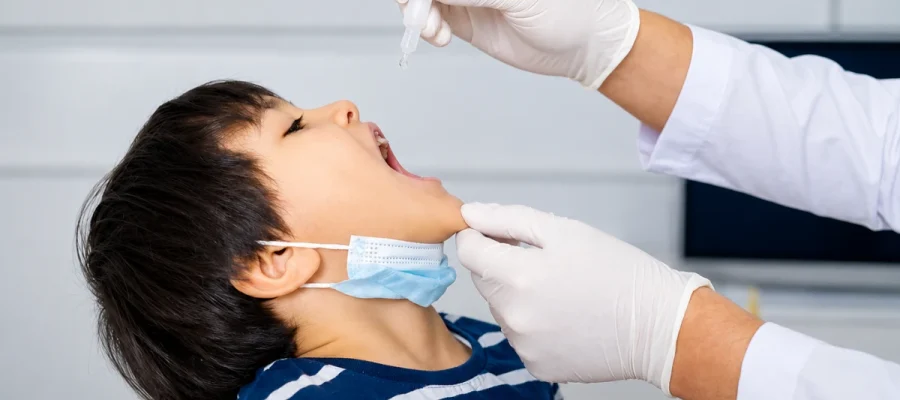
For parents of children with food allergies, everyday situations can feel stressful. A school lunch, birthday party, restaurant meal, or even accidental contact with an allergen can raise concerns about an allergic reaction.
Oral Immunotherapy (OIT) is one treatment approach that may help selected children with certain food allergies become less sensitive to the food. However, it is not as simple as gradually eating more of the allergen at home. OIT involves carefully controlled exposure to the allergenic food under the supervision of an allergy specialist.
So, is oral immunotherapy safe for children?
For appropriately selected children, OIT can be a useful treatment option when performed under specialist supervision. But reactions can occur, and parents need to understand the possible oral immunotherapy side effects in children, safety precautions, monitoring requirements, and situations where OIT may not be appropriate.
For families in Dubai and across the UAE, choosing an experienced allergy specialist and following the treatment protocol carefully are important parts of making OIT as safe as possible.
What Is Oral Immunotherapy?
Oral Immunotherapy is a treatment in which a child consumes carefully measured amounts of a food allergen, with the dose gradually increased according to a medically supervised protocol.
The goal is not necessarily to make the child permanently “cured” of the allergy. Instead, OIT aims to increase the amount of allergen the child can tolerate before experiencing a reaction.
For example, peanut oral immunotherapy may involve gradually increasing exposure to peanut protein in children with peanut allergy.
The process typically involves several stages, including an initial dose escalation, gradual dose increases, and a maintenance phase.
Because the child is deliberately being exposed to a known allergen, OIT should never be started or adjusted independently at home.
Is OIT Safe in Kids?
Research has shown that OIT can increase tolerance to certain food allergens in appropriately selected children. However, safety is an important consideration because allergic reactions can occur during treatment.
The level of risk varies from child to child.
Some children may experience mild symptoms such as mouth itching or stomach discomfort, while others can develop more significant reactions requiring treatment.
This is why OIT safety in kids depends heavily on proper patient selection, careful dosing, specialist supervision, and clear instructions for parents.
OIT is not suitable for every child with a food allergy.
Common Oral Immunotherapy Side Effects in Children
The most common oral immunotherapy side effects in children are generally mild, but they can be uncomfortable.
Possible symptoms include:
- Itching or tingling in the mouth
- Itchy throat
- Mild swelling of the lips or mouth
- Abdominal discomfort
- Nausea
- Stomach pain
- Vomiting
- Diarrhoea
- Runny nose
- Sneezing
- Mild skin symptoms such as hives
These symptoms may occur after a dose and should be reported to the child’s allergy specialist.
Parents should not automatically assume that a reaction is harmless simply because previous doses were tolerated.
Can Oral Immunotherapy Cause a Serious Allergic Reaction?

Yes.
One of the important risks of oral immunotherapy is the possibility of an allergic reaction, including anaphylaxis.
A serious reaction may cause:
- Difficulty breathing
- Wheezing
- Repetitive coughing
- Swelling of the tongue or throat
- Difficulty swallowing
- Voice changes
- Dizziness or fainting
- Widespread hives
- Severe vomiting
- A combination of symptoms affecting different parts of the body
Anaphylaxis is a medical emergency.
Parents participating in OIT should receive clear instructions from their child’s allergy specialist about recognising serious reactions and using prescribed emergency medication, such as an epinephrine auto-injector, when indicated.
What Happens If a Reaction Occurs During OIT?
The response depends on the severity of the reaction.
If a child develops mild symptoms, the specialist may assess the child, provide appropriate treatment, and decide whether the OIT dose needs to be changed.
If a child develops symptoms suggesting anaphylaxis, emergency treatment is required.
Epinephrine is the first-line treatment for anaphylaxis. Parents should follow the emergency action plan provided by their child’s allergist rather than waiting to see whether symptoms improve.
In a clinic-based dose escalation, trained medical staff can monitor the child and respond immediately if a reaction occurs.
For home maintenance doses, parents need to understand exactly what symptoms require action, when to administer emergency medication, and when to seek emergency medical care.
Why Monitoring During Oral Immunotherapy Matters
One of the most important aspects of OIT is monitoring during oral immunotherapy.
Before starting treatment, an allergy specialist should assess the child’s allergy history, previous reactions, other medical conditions, medications, and overall suitability for OIT.
During dose escalation, the child is monitored for symptoms after receiving the allergen.
The child may remain under observation for a period determined by the treating allergy team. This allows healthcare professionals to identify and manage reactions promptly.
Parents should also receive detailed instructions for maintenance doses given at home.
Monitoring does not stop once the child leaves the clinic.
Parents may need to observe the child after each dose and understand factors that could increase the likelihood of a reaction.
What Can Make an OIT Reaction More Likely?
Certain circumstances can increase the risk of a reaction after an OIT dose.
Depending on the treatment protocol, these may include:
- Exercise around the time of dosing
- Fever or illness
- Asthma that is not well controlled
- Taking the dose on an empty stomach when the protocol requires food
- Incorrect dosing
- Hot showers or overheating after dosing in some protocols
- Failing to follow the specialist’s instructions
- Changes in the child’s health
Parents should ask their allergy specialist specifically about these factors because recommendations can differ between OIT protocols.
If a child is unwell, parents should not simply guess whether to give the usual dose. They should follow the instructions provided by the treating medical team.
Who Should Not Receive Oral Immunotherapy?
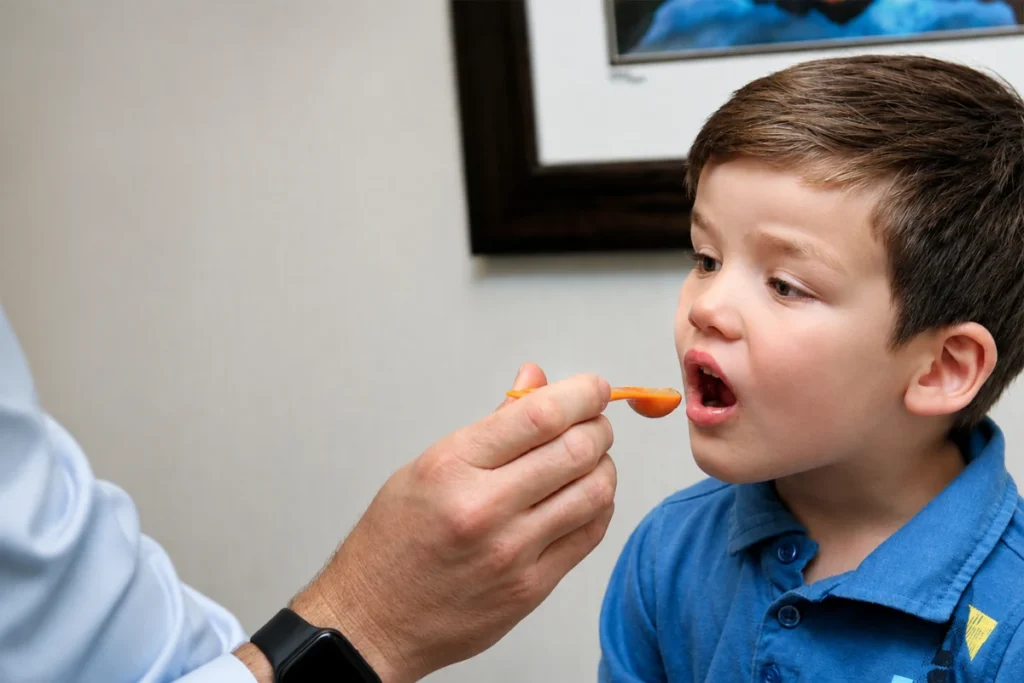
OIT is not appropriate for every child.
The decision depends on the child’s individual medical history and the type and severity of the food allergy.
Certain conditions may make OIT unsuitable or require careful consideration. These can include poorly controlled asthma and some significant medical conditions.
For example, children with uncontrolled asthma may have a higher risk of serious outcomes during an allergic reaction.
Some medications or medical conditions may also affect whether OIT is appropriate.
This is why an allergy specialist should conduct a thorough assessment before treatment begins.
Parents should never compare their child’s suitability for OIT with another child’s experience.
Peanut OIT Side Effects: What Parents Should Know
Peanut OIT is one of the more widely studied forms of food allergy immunotherapy.
Possible peanut OIT side effects include mouth and throat itching, abdominal symptoms, vomiting, hives, and allergic reactions of varying severity.
A small number of patients receiving food OIT can also develop symptoms consistent with eosinophilic oesophagitis (EoE), an inflammatory condition affecting the oesophagus.
Symptoms that may raise concern include persistent difficulty swallowing, food getting stuck, ongoing chest or upper abdominal discomfort, or persistent feeding difficulties.
Parents should report unusual or persistent gastrointestinal symptoms to the child’s allergy specialist.
Food Allergy Immunotherapy Risks at Home
After supervised dose escalation, some children may continue maintenance doses at home.
This does not mean that home dosing is risk-free.
Parents should:
- Measure the prescribed dose accurately.
- Give the dose exactly as instructed.
- Follow any food or activity requirements associated with dosing.
- Avoid changing the dose without medical advice.
- Monitor the child after dosing according to the treatment plan.
- Keep prescribed emergency medication available.
- Make sure caregivers, teachers, and other responsible adults understand the child’s allergy action plan.
Children should also be taught, according to their age and ability, not to share food or independently change their OIT dose.
What Parents in Dubai Should Consider Before Starting OIT
For families in Dubai, the most important decision is not simply whether OIT is available. It is whether it is appropriate for the individual child and whether the treatment is being provided within a structured allergy service.
Before starting OIT, parents should ask:
- Is my child a suitable candidate?
- What are the expected benefits?
- What reactions could occur?
- How will the first doses be monitored?
- What should we do if a reaction occurs at home?
- When should epinephrine be used?
- What happens if my child becomes sick?
- What should my child avoid around dosing?
- How often will follow-up appointments be required?
- What happens if my child cannot tolerate a dose?
Clear answers to these questions can help parents make an informed decision.
The Bottom Line: Is Oral Immunotherapy Safe for Children?
OIT can be an effective treatment option for selected children with certain food allergies, but it is not completely risk-free.
The most important oral immunotherapy adverse reactions range from mild mouth or stomach symptoms to potentially serious allergic reactions, including anaphylaxis. There is also a risk of other complications, such as eosinophilic oesophagitis in some children.
The safest approach is structured treatment under the care of an experienced allergy specialist, with careful dose escalation, appropriate monitoring, clear emergency instructions, and regular follow-up.
For parents in Dubai considering OIT for children’s safety, the goal should not be to eliminate every possible risk, which is not realistic with an allergy treatment involving exposure to an allergen. Instead, the focus should be on selecting the right child, controlling avoidable risks, recognising reactions early, and knowing exactly what to do if a reaction occurs.
Frequently Asked Questions
1. What are the common oral immunotherapy side effects in children?
Common side effects may include mouth or throat itching, stomach pain, nausea, vomiting, diarrhoea, runny nose, and hives. Most reactions are mild, but more serious allergic reactions can occur and require immediate treatment.
2. Can oral immunotherapy cause anaphylaxis?
Yes. Anaphylaxis is one of the potential risks of oral immunotherapy. Children undergoing OIT should have an allergy action plan, and parents should know how and when to use prescribed epinephrine and seek emergency medical care.
3. Is peanut OIT safe for children?
Peanut OIT can be appropriate for some children with peanut allergy, but it is not risk-free. Peanut OIT side effects can include gastrointestinal symptoms, mouth or throat itching, hives, and allergic reactions. Suitability should be assessed by an allergy specialist.
4. What should I do if my child reacts after an OIT dose?
Follow the emergency plan provided by your child’s allergist. If symptoms suggest anaphylaxis, use prescribed epinephrine promptly and seek emergency medical care. Do not wait for a serious reaction to resolve on its own.
5. Who should not undergo oral immunotherapy?
OIT is not suitable for every child. Poorly controlled asthma and certain medical conditions may make treatment inappropriate or require additional precautions. A specialist should assess the child’s complete medical history before OIT begins.
6. How is oral immunotherapy monitored in children?
Initial dose escalation and dose increases are generally performed under medical supervision, with the child observed for reactions. Parents are then given specific instructions for home maintenance doses, symptom monitoring, emergency medication, and follow-up appointments.