

When your child struggles to breathe, coughs at night, or wheezes while running and playing, it can be frightening. Many parents worry about hospital visits, missed school days, and whether their child will ever be able to play freely.


When your child struggles to breathe, coughs at night, or wheezes while running and playing, it can be frightening. Many parents worry about hospital visits, missed school days, and whether their child will ever be able to play freely.
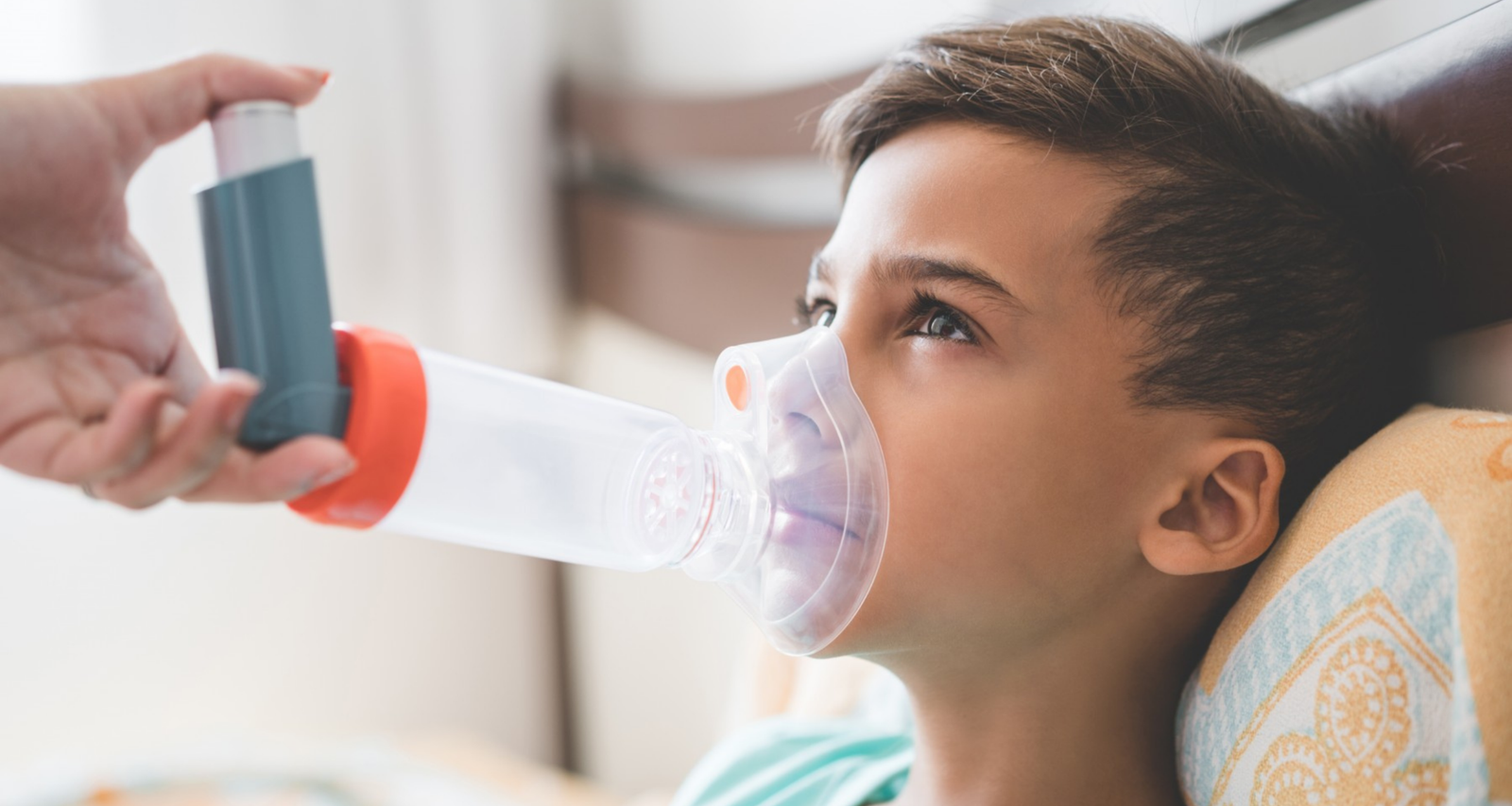
When breathing problems affect your child’s daily life, it can be stressful for the whole family. With the right pediatric asthma treatment in Dubai, children can breathe comfortably, sleep better, and stay active without frequent interruptions.
At his clinic, Dr. Mahesh Katre focuses on early diagnosis and personalized care for asthma in children. Each treatment plan is designed to control symptoms, reduce triggers, and prevent flare-ups through practical, easy-to-follow steps for parents and children.
With the right guidance and ongoing support, managing asthma becomes much easier. The goal of childhood asthma treatment is simple to improve breathing, support overall health, and help your child enjoy an active, confident, and worry-free lifestyle every day.
Asthma does not need to control your child’s future.
Asthma is a condition where the airways in a child’s lungs become sensitive and narrow. This makes breathing harder during certain triggers.
Recognising early signs of asthma in children helps prevent flare-ups and reduces emergency visits.
The evaluation is calm and child-friendly.
Parents are fully involved in every decision.
Asthma care is about prevention and confidence, not just treating attacks.
You will know exactly what to do, when to give medication, and when to seek help.
Many children feel nervous about inhalers at first.
With the right approach, children become comfortable with their asthma treatment plan.
Managing allergies properly can significantly improve asthma control.
With structured pediatric asthma treatment in Dubai, parents leave feeling confident about managing their child’s condition every day
Some children may experience improvement in asthma symptoms as they grow older, while others may require ongoing management. Regular follow-ups help monitor their condition and adjust treatment as needed.
Yes, inhalers are generally safe when used correctly and as prescribed by a doctor. They are an effective way to deliver medication directly to the lungs for quick relief and long-term control.
Not always. The need for medication depends on the severity of your child’s asthma and how well it is controlled over time. Your doctor will review treatment regularly and make adjustments when appropriate.
Yes, most children with asthma can participate in sports and physical activities when their condition is properly managed. Staying active is encouraged for overall health and lung function.
During an asthma attack, follow your child’s asthma action plan, use the prescribed reliever inhaler immediately, and seek urgent medical attention if symptoms do not improve quickly.
Yes, poorly controlled asthma can cause coughing, wheezing, and breathing difficulty at night, which may disturb sleep. Proper treatment helps reduce nighttime symptoms and improve sleep quality.