

Living with allergies can be stressful for both children & parents. Avoiding certain foods or environmental triggers can feel limiting, and the fear of reactions can affect daily life, school, and social activities.

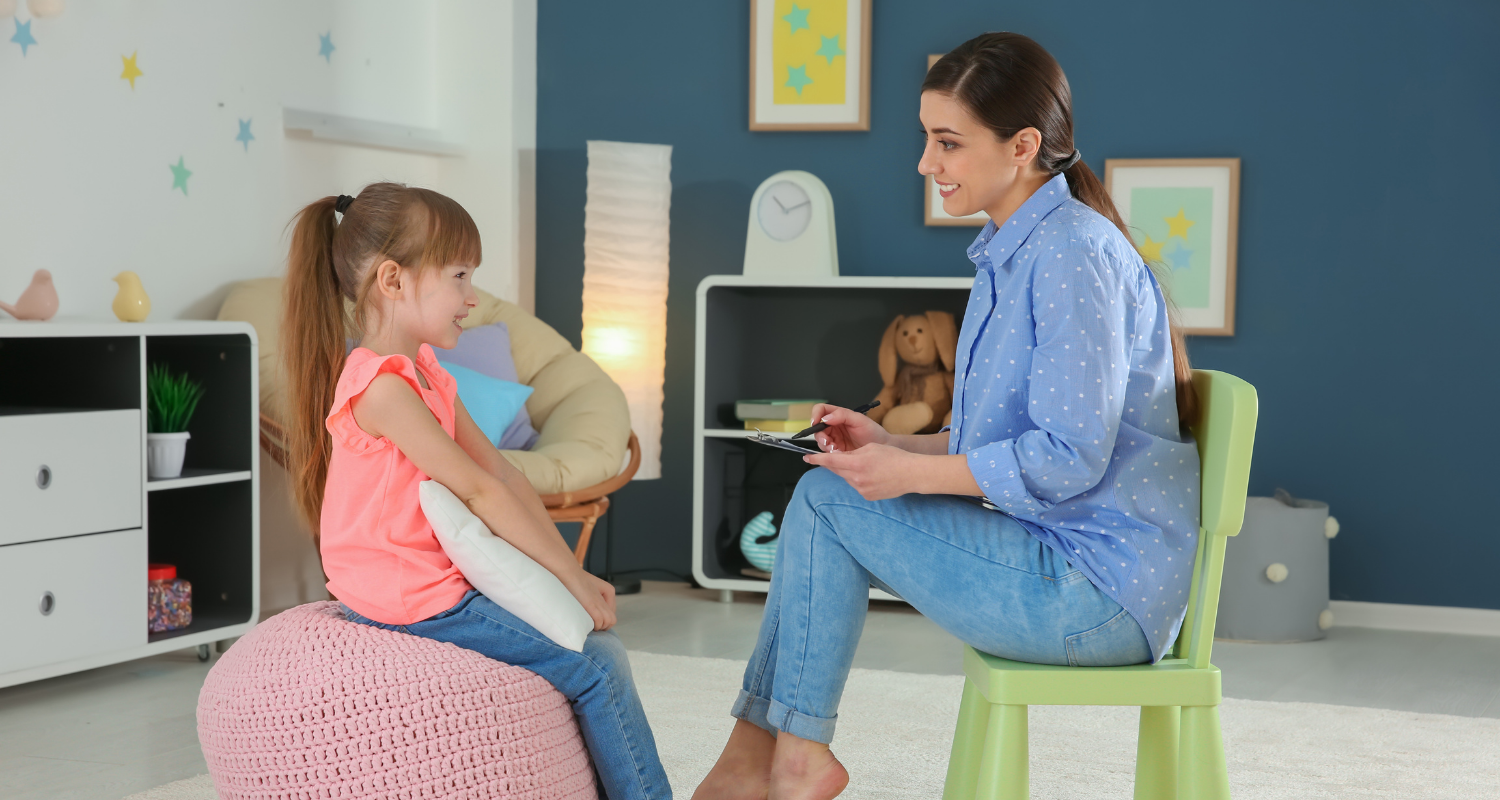
Living with allergies can be stressful for both children & parents. Avoiding certain foods or environmental triggers can feel limiting, and the fear of reactions can affect daily life, school, and social activities.

Managing allergies long-term can feel overwhelming, especially when avoidance becomes difficult. With expert pediatric allergy immunotherapy in Dubai, children can gradually build tolerance and reduce the risk of severe reactions.
At his Allergy Clinic, Dr. Mahesh Katre offers carefully supervised immunotherapy for pediatric allergy in Dubai, designed to support children and families through every step of the process.
Desensitisation therapy, also known as immunotherapy, is a treatment that helps the body gradually become less sensitive to an allergen.
With consistent desensitization therapy for allergies in children, the body learns to tolerate allergens more effectively.
Not every child is a candidate. A detailed evaluation is always done before starting pediatric allergy immunotherapy in Dubai.
The process is gradual and carefully supervised.
Safety is always the top priority.
For many families, this treatment brings greater confidence and peace of mind.
Children are never rushed into treatment. Every decision is made together with the family.
A full consultation helps determine if immunotherapy for pediatric allergy in Dubai is suitable for your child.
Desensitisation therapy is not a quick fix. It is a carefully guided journey. With the right supervision and follow-up, many children experience improved safety and confidence over time.
The decision is always made thoughtfully and with your child’s interest at heart.
It does not completely cure allergies, but it can reduce sensitivity and lower the risk of severe reactions.
No. Careful assessment is needed to decide if your child is a good candidate.
Desensitisation is gradual and may take months to years, depending on the allergy and individual response.
Mild reactions can happen during treatment, which is why therapy is supervised carefully.
Avoidance may still be needed, depending on the stage of treatment and individual progress.
Initial stages and dose increases are done under medical supervision. Parents are guided clearly for home maintenance doses when appropriate.