


With gluten-free snacks, cereals, and packaged foods everywhere, many parents are now wondering whether a gluten-free diet is healthier for their child. This question often comes up when children have symptoms like tummy pain, bloating, constipation, diarrhea, eczema, or seem uncomfortable after meals.
The truth is, gluten-free is not automatically better for every child. For some children, removing gluten is medically necessary. For others, it may be unnecessary and even nutritionally risky without proper guidance. In this blog, we’ll explain when a gluten-free diet is truly needed, when it may be overused, and what parents should check before making dietary changes.
What Is Gluten?
Gluten is a group of proteins found naturally in grains such as:
- Wheat
- Barley
- Rye
This means gluten can be present in many common foods, including:
- Bread
- Pasta
- Biscuits
- Cakes
- Breakfast cereals
- Noodles
- Crackers
- Some sauces and processed foods
- Packaged snacks
- Certain soups and ready-made foods
For most children, gluten is digested without any issue. But for some, it can trigger an immune reaction, digestive symptoms, or other health problems.
Why Are So Many Parents Thinking About Gluten-Free Diets?
There are a few reasons this topic has become so popular:
- Gluten-free foods are more widely available than before
- Social media often labels gluten-free as “clean eating”
- Parents see online stories linking gluten to bloating, behaviour, eczema, or gut issues
- Some children do genuinely feel better when a trigger food is removed
- There is increasing awareness about celiac disease and food sensitivities
The problem is that awareness is good, but self-diagnosis is not always accurate.
Many children are put on restrictive diets before proper testing, which can make diagnosis more difficult later and may lead to nutritional gaps.
Is Gluten Always Bad for Children?
No, not at all.
For the vast majority of children, gluten is not harmful. It is simply a normal part of many staple foods. In fact, whole grains containing gluten can provide:
- Energy
- Fiber
- B vitamins
- Iron
- Protein
- Important calories for growth
This is why parents should not assume that gluten must be removed “just to be healthier.”
The better question is: Is a gluten-free diet necessary for kids in your child’s specific situation?
And the answer depends entirely on whether there is a real medical reason.
When Is a Gluten-Free Diet Truly Necessary?
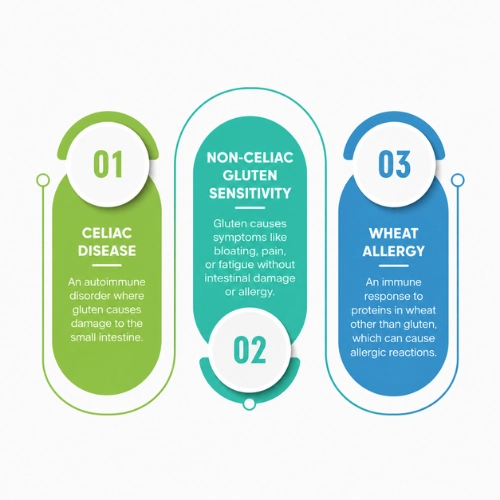
A gluten-free diet is medically necessary mainly in the following situations:
1. Celiac Disease
This is the most important and clear reason.
Celiac disease is an autoimmune condition where eating gluten triggers the immune system to damage the lining of the small intestine.
This can lead to:
- Poor absorption of nutrients
- Diarrhea or constipation
- Bloating
- Tummy pain
- Poor growth
- Weight loss or poor weight gain
- Fatigue
- Iron deficiency
- Irritability
- Delayed puberty in some cases
- Skin rash (in some children)
In children with confirmed celiac disease, a strict lifelong gluten-free diet is essential.
2. Non-Celiac Gluten Sensitivity
Some children may develop symptoms after eating gluten, but do not have celiac disease or a wheat allergy.
This is often referred to as non-celiac gluten sensitivity.
Symptoms may include:
- Bloating
- Tummy discomfort
- Loose stools
- Fatigue
- Brain fog or reduced concentration (harder to assess in younger children)
- General digestive discomfort after gluten-containing meals
However, this diagnosis should be made carefully and only after ruling out celiac disease and other causes first.
3. Wheat Allergy
This is different from celiac disease.
Wheat allergy is an immune reaction to proteins in wheat, and it can cause:
- Hives
- Itching
- Swelling
- Vomiting
- Abdominal pain
- Wheezing
- Anaphylaxis in severe cases
A child with wheat allergy may need to avoid wheat, but not always every source of gluten, depending on the exact diagnosis and medical advice.
This is why parents should never use “gluten” and “wheat” as if they mean the same thing.
What Symptoms Should Make Parents Think About Gluten Problems?
There is no single symptom that proves gluten is the issue, but certain patterns should raise suspicion.
Possible gluten intolerance symptoms in children may include:
- Recurrent tummy pain
- Bloating after meals
- Chronic diarrhea
- Constipation that keeps coming back
- Poor weight gain
- Unexplained tiredness
- Iron deficiency anemia
- Poor appetite
- Recurrent mouth ulcers
- Irritability
- Slower growth than expected
- Skin rashes in some cases
That said, these symptoms can also happen with:
- Lactose intolerance
- Functional constipation
- Food allergy
- IBS-like symptoms
- Celiac disease
- Infections
- Anxiety-related gut symptoms
- Poor diet quality
- Excess juice or processed foods
So symptoms alone are not enough.
Celiac Disease vs Gluten Sensitivity: Why the Difference Matters

This is where many parents get confused, and it is extremely important to understand the distinction between celiac disease and gluten sensitivity that kids may experience.
Celiac Disease
- Autoimmune condition
- Causes intestinal damage
- Can affect growth and nutrient absorption
- Diagnosed through blood tests and often a specialist evaluation
- Requires strict lifelong gluten avoidance
Non-Celiac Gluten Sensitivity
- Symptoms may happen with gluten exposure
- No autoimmune intestinal damage like celiac disease
- No classic celiac blood test pattern
- Diagnosis is usually made after ruling out celiac disease and wheat allergy
- May not always require the same strict lifelong approach, depending on the child and specialist advice
This difference matters because celiac disease is not a trend, not a “food sensitivity,” and not something to guess. It is a serious medical condition.
Why Parents Should Never Remove Gluten Before Testing
This is one of the most important messages in this entire blog.
If parents remove gluten before the child is properly tested, it can interfere with diagnosis.
Why?
Celiac blood tests are more likely to be accurate when the child is still eating gluten regularly.
If gluten is stopped too early:
- Blood test results may become falsely normal
- Diagnosis may get delayed
- The child may need a future gluten challenge for testing
- Families may be left confused about what is actually causing symptoms
So if you suspect gluten is a problem, do not start a gluten-free diet on your own before discussing it with your pediatrician or pediatric allergy specialist.
What are the Pros of a gluten-free diet for the Right Child?
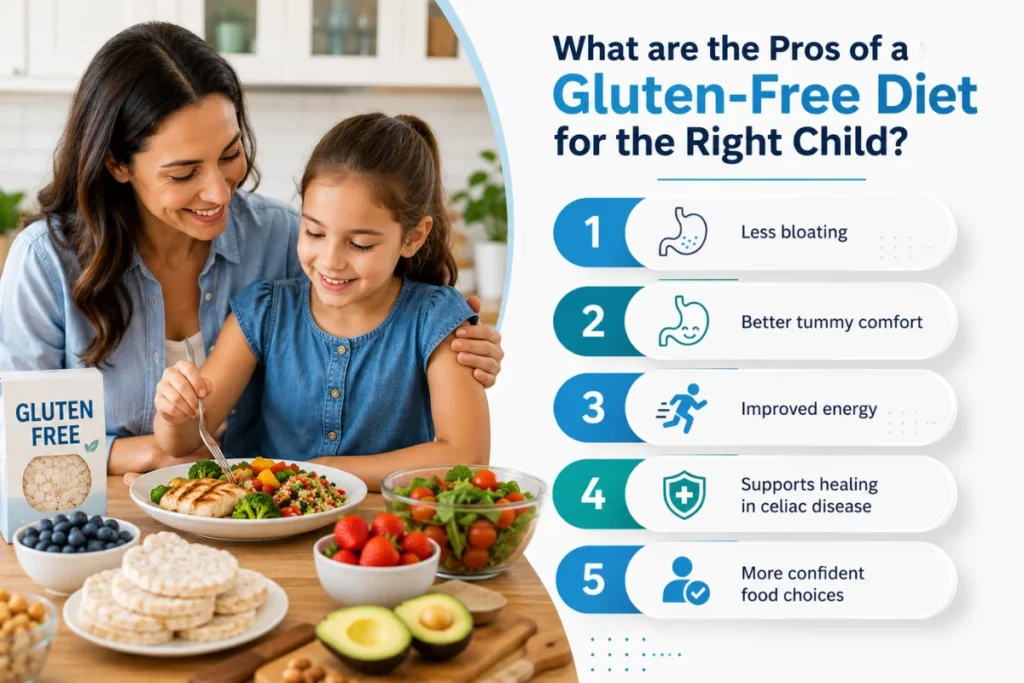
In a child who truly needs it, a gluten-free diet can make a huge difference.
The gluten-free diet pros and cons that children experience depend entirely on whether there is a real medical indication.
Potential Benefits (When Properly Indicated)
- Better digestion
- Reduced bloating
- Improvement in diarrhea or constipation
- Better appetite
- Improved nutrient absorption in celiac disease
- Better growth and weight gain
- Reduced fatigue
- Improved concentration and comfort
- Better overall quality of life
- Less gut inflammation in medically diagnosed cases
For children with celiac disease, it is not just helpful, it is essential treatment.
What Are the Downsides If It Is Done Unnecessarily?
A gluten-free diet may sound simple, but in children, unnecessary restriction can create real problems.
Possible Downsides
- Reduced fibre intake
- Lower intake of iron and B vitamins
- Risk of poor calorie intake in picky eaters
- More expensive food choices
- Social difficulty at school or parties
- Food anxiety or overly restrictive eating patterns
- Confusion around labels and hidden gluten
- False reassurance while the real diagnosis gets missed
Many gluten-free packaged foods are also:
- More processed
- Lower in fibre
- Higher in sugar or starch
- Less nutritionally balanced than parents assume
So “gluten-free” does not automatically mean “healthier.”
How Is a Child Properly Evaluated for Gluten-Related Problems?
A proper medical assessment may include:
1. Detailed History
Your doctor may ask:
- What symptoms does the child have?
- When do they occur?
- Are symptoms linked to specific meals?
- Is growth normal?
- Is there weight loss or poor weight gain?
- Any family history of celiac disease or autoimmune conditions?
- Any history of eczema, allergies, or gut issues?
2. Growth Assessment
Checking:
- Weight
- Height
- Growth chart trends
- Nutritional status
This is especially important in younger children.
3. Blood Tests
If celiac disease is suspected, the doctor may recommend:
- Celiac screening blood tests
- Iron levels
- Vitamin levels, if needed
- General blood counts
These tests should be done while the child is still eating gluten.
4. Further Specialist Evaluation
In some cases, a pediatric allergist may be involved, especially if:
- Symptoms are significant
- Growth is affected
- Blood tests suggest celiac disease
- There is persistent gut inflammation or unexplained symptoms
What If the Child Is Just “Sensitive” to Certain Foods?
Sometimes the real issue is not gluten at all.
A child may feel better after “going gluten-free” because the family has also unintentionally reduced:
- Highly processed snacks
- Excess bakery foods
- Sugary cereals
- Fast food
- Packaged sauces
- Refined carbohydrates
In those cases, the improvement may come from a better overall diet quality, not necessarily from removing gluten itself.
This is why interpretation matters.
A child who improves after diet changes still needs the right diagnosis, not assumptions.
Practical Advice for Parents Before Trying Gluten-Free
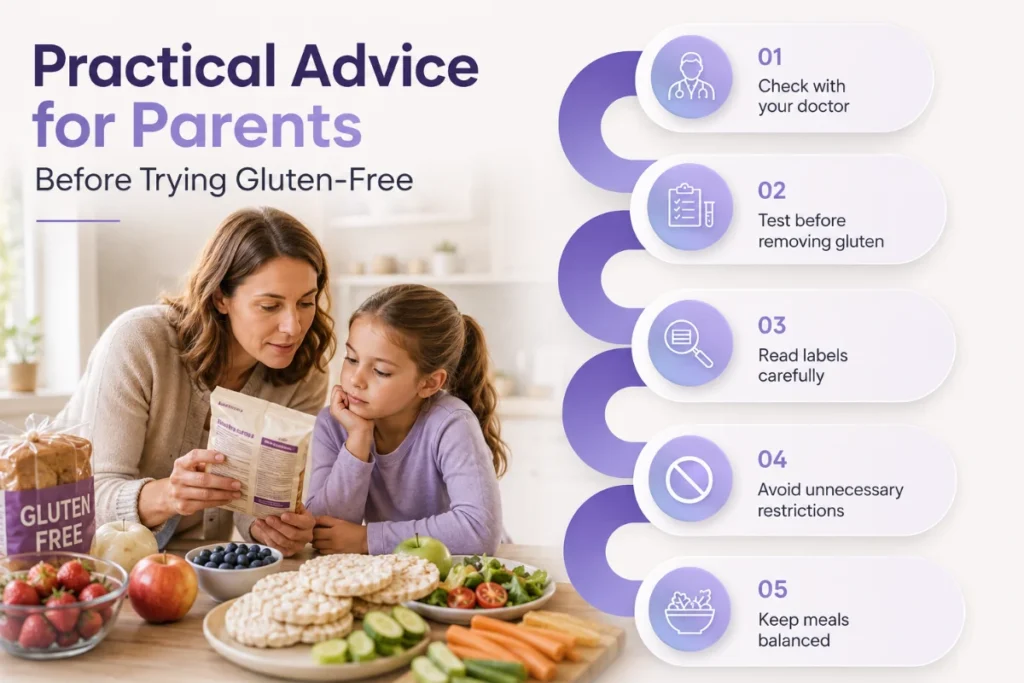
If you suspect gluten is causing problems:
Do:
- Keep a symptom diary
- Track meals and symptoms
- Note growth, appetite, and stool changes
- Seek proper medical advice before restricting
- Test for celiac disease first if indicated
Do Not:
- Remove gluten immediately without testing
- Use social media as your only guide
- Replace everything with processed gluten-free snacks
- Assume all tummy pain means gluten intolerance
- Keep the child on a highly restrictive diet without supervision
When Should You See a Specialist?
You should seek evaluation if your child has:
- Ongoing tummy pain
- Chronic diarrhea or constipation
- Bloating after meals
- Poor weight gain
- Unexplained fatigue
- Iron deficiency
- Poor appetite
- Growth concerns
- Family history of celiac disease
- Symptoms that keep returning despite basic dietary improvements
The earlier the right diagnosis is made, the easier it is to avoid both over-restriction and missed medical conditions.
Final Thoughts
A gluten-free diet is not automatically healthier for every child and should never be started just because it seems trendy. For some children, it is medically necessary. For others, unnecessary restrictions can do more harm than good.
If your child has bloating, digestive symptoms, poor appetite, growth concerns, or suspected food-related discomfort, book a consultation with Dr Mahesh Katre for a proper pediatric evaluation. Call +971 55 232 9107.